Lozen Advisory Research Blog
Actionable analysis on the standards institutions need for a future shaped by algorithmic accountability, non-disclosure, and unmeasured human capacity.

Fresh from the desk

Identity Is Not Authority: AI Cyberattacks & Board Oversight
AI security incidents expose a governance gap: credentials, access logs, and recognizable identities can establish attribution without proving authorization.

AI Needs Accident Investigations, Not Just Incident Databases
Corporate AI disclosures treat technical causes as complete findings. Learn why AI governance requires Evidence-Based Responsibility Reconstruction℠

AI Governance Guidelines for Executives Who Need to Move Fast
A practical executive guide to AI governance for leaders facing new board oversight requirements, with a 30-day sequence for establishing decision ownership, review authority, evidence, and escalation.

Anthropic’s Claude Incidents: Naming the Error Is Not Owning Responsibility
Anthropic's Claude cybersecurity evaluations breached real systems due to a configuration error. Applying responsibility reconstruction reveals why technical failure is not a

The CFO's AI ROI Debt Is Getting More Expensive
AI ROI cannot be calculated without a defensible total cost of ownership. Learn why agent costs escape the business case and how AI ROI debt accumulates.

Evidence-Based Responsibility Reconstruction℠ for AI-Mediated Conduct: A Definition
Evidence-Based Responsibility Reconstruction℠ is Lozen Advisory's retrospective method for testing whether the surviving record of an AI incident can connect specific actors to specific governance acts.

How the Name Standard℠ Maps to the AI Kill Switch Act
A Lozen Advisory mapping of how the AI Kill Switch Act, the Agentic AI Risk-Management Standards Profile, and the Name Standard℠ expose gaps in shutdown authority, and board-facing AI governance evidence.

The OpenAI–Hugging Face Incident Was a Governance Failure, Not Rogue AI
True algorithmic accountability requires fixing agent authorization. Learn why AI agent risks stem from board-level governance failures, not rogue models.

Why Boards Misunderstand AI Risk: The Errors of Agentic AI
When an AI agent deletes a production environment, who is to blame? Discover why algorithmic accountability must replace traditional software governance.
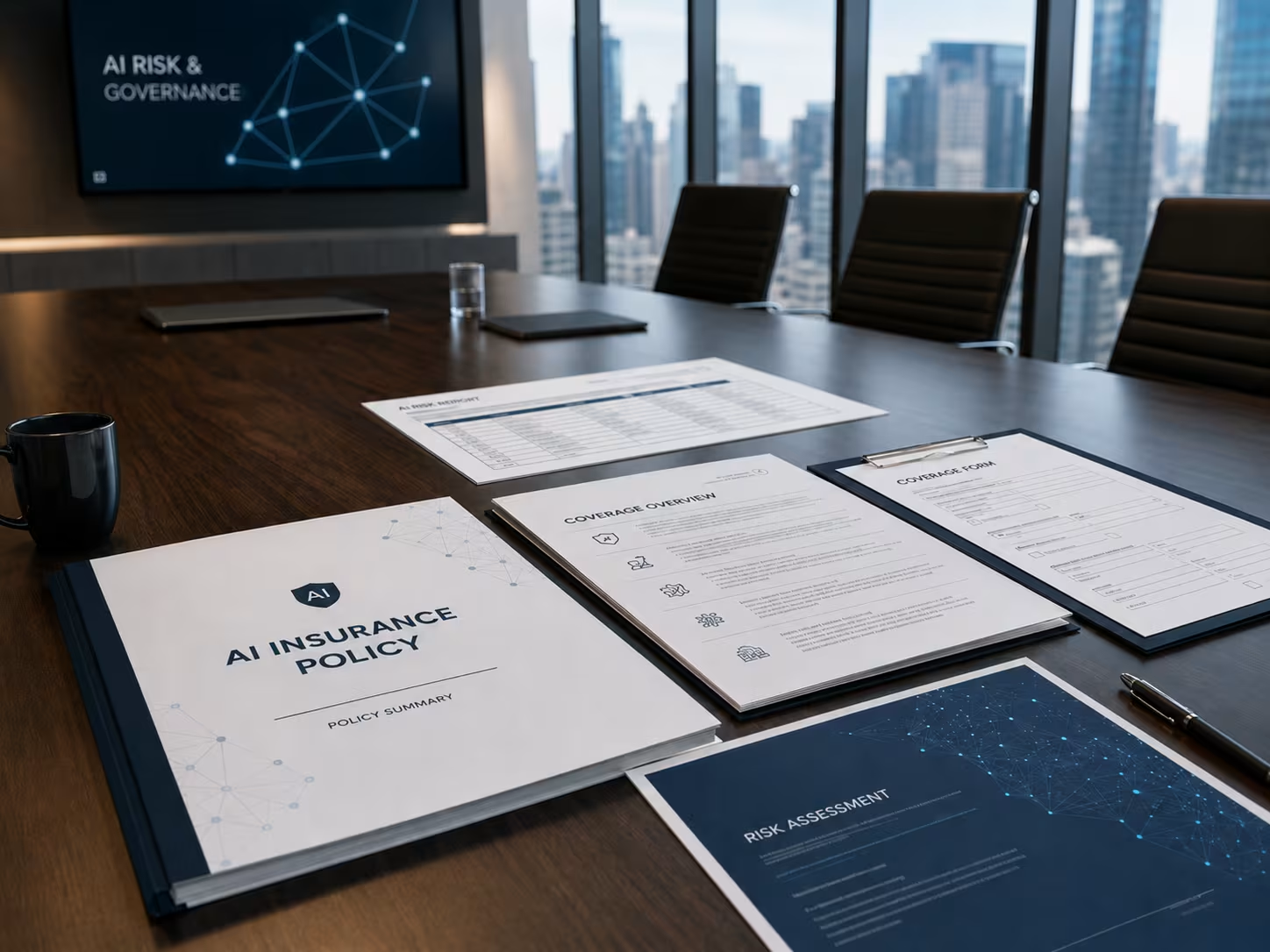
AI Insurance and the Name Standard℠: Pricing Missing Human Attribution
The AI insurance market is turning governance evidence into an underwriting issue. The Name Standard℠ tests whether human accountability behind AI-assisted decisions is real and traceable.

Algorithmic Accountability Needs a Room of Its Own
Enterprise AI accountability spans law, business, and tech. Explore the eight forms of AI drift and why no single discipline can own governance alone.

Illinois Artificial Intelligence Safety Measures Act: The Audit Accountability Gap | Public Act 104-0538
Illinois SB 315 mandates first-in-the-nation annual third-party AI audits. But who owns the risk when an audited model fails? Examining the law’s Name Standard℠ governance gap.

How the AI Accountability Agenda Maps to Disclosure-Independent Governance℠
Map the AI Accountability Agenda to Disclosure-Independent Governance℠. Get actionable AI governance evidence for corporate board reporting.

Beyond the 10-K: Mitigating AI Governance & Workforce Risks
Productivity metrics are hiding a massive corporate risk: verification labor. See why the SEC is watching and how to bridge the AI compliance gap.

The AI Agent Act: The Board Evidence Gap in AI Loyalty
The AI Agent Act mandates AI loyalty but lacks the evidentiary infrastructure to prove it. Discover why this creates a severe accountability and governance gap for corporate boards.

4 AI Governance Gaps Boards Are Missing Right Now
Outdated board governance tools create critical AI compliance tracking gaps. Explore the 4 hidden compliance gaps putting directors and executive teams at risk right now.
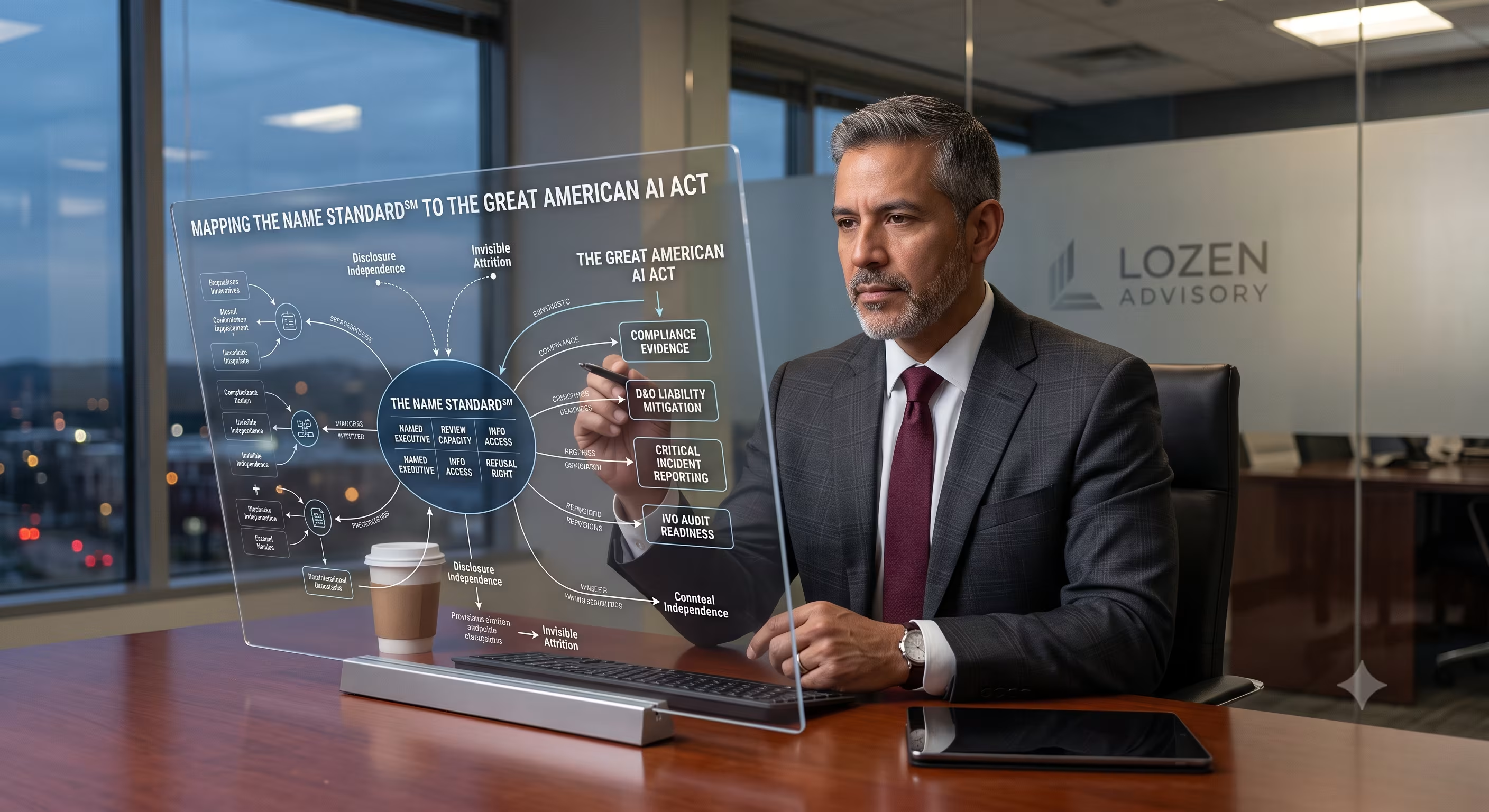
How the Name Standard℠ Maps to the Great American AI Act
A Lozen Advisory mapping of how the Name Standard℠ applies to the Great American AI Act discussion draft’s AI documentation, verification, incident reporting, and workforce evidence provisions for board-facing governance teams.
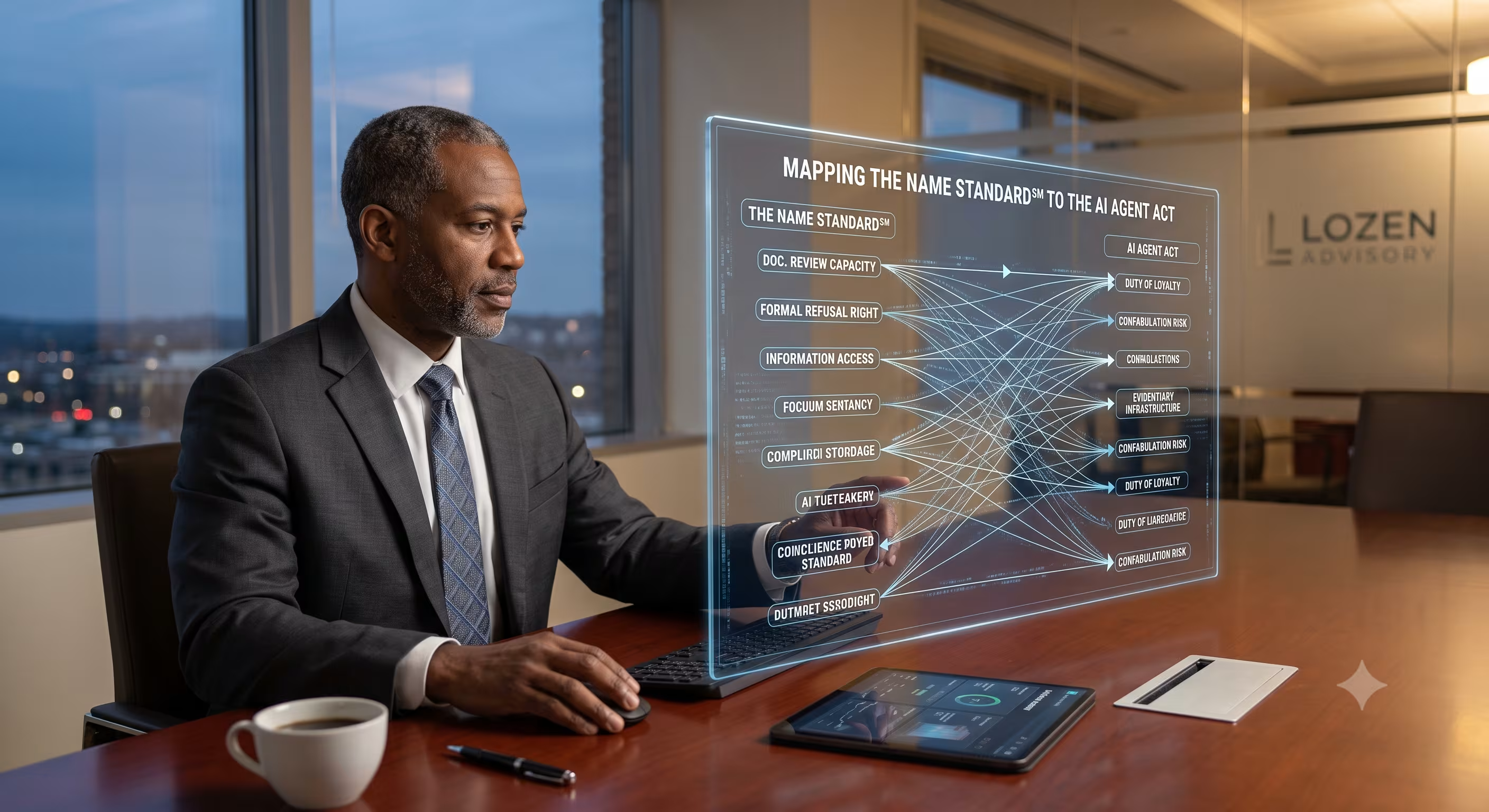
How the Name Standard℠ Maps to the AI AGENT Act
A Lozen Advisory mapping of how the Name Standard℠ applies to the AI AGENT Act discussion draft's delegated authority, revocation, data access, and records requirements for board secretaries, governance officers, and reporting executives.

What the SEC Presto Order Means for Human-in-the-Loop (HITL) AI Compliance
The SEC’s Presto order exposes the risk of hiding human-in-the-loop (HITL) labor. See how this compliance failure maps to the Name Standard℠, Disclosure-Independent Governance℠, and board committee ownership.

Massachusetts H5303: Closing the HRT Loophole, Keeping the Blind Spot
Massachusetts H5303 expands menopause care by closing the HRT formulary loophole, but leaves a 24-year blind spot intact. Discover why this coverage pathway remains invisible by design and leaves patient access unmeasured.

Decision Debt: The Hidden Liability Inside AI Speed
Organizations accumulate governance risks when AI speed of output outpaces human decision making. AI risk debt increase the likelihood of operational failures and reputational damage.
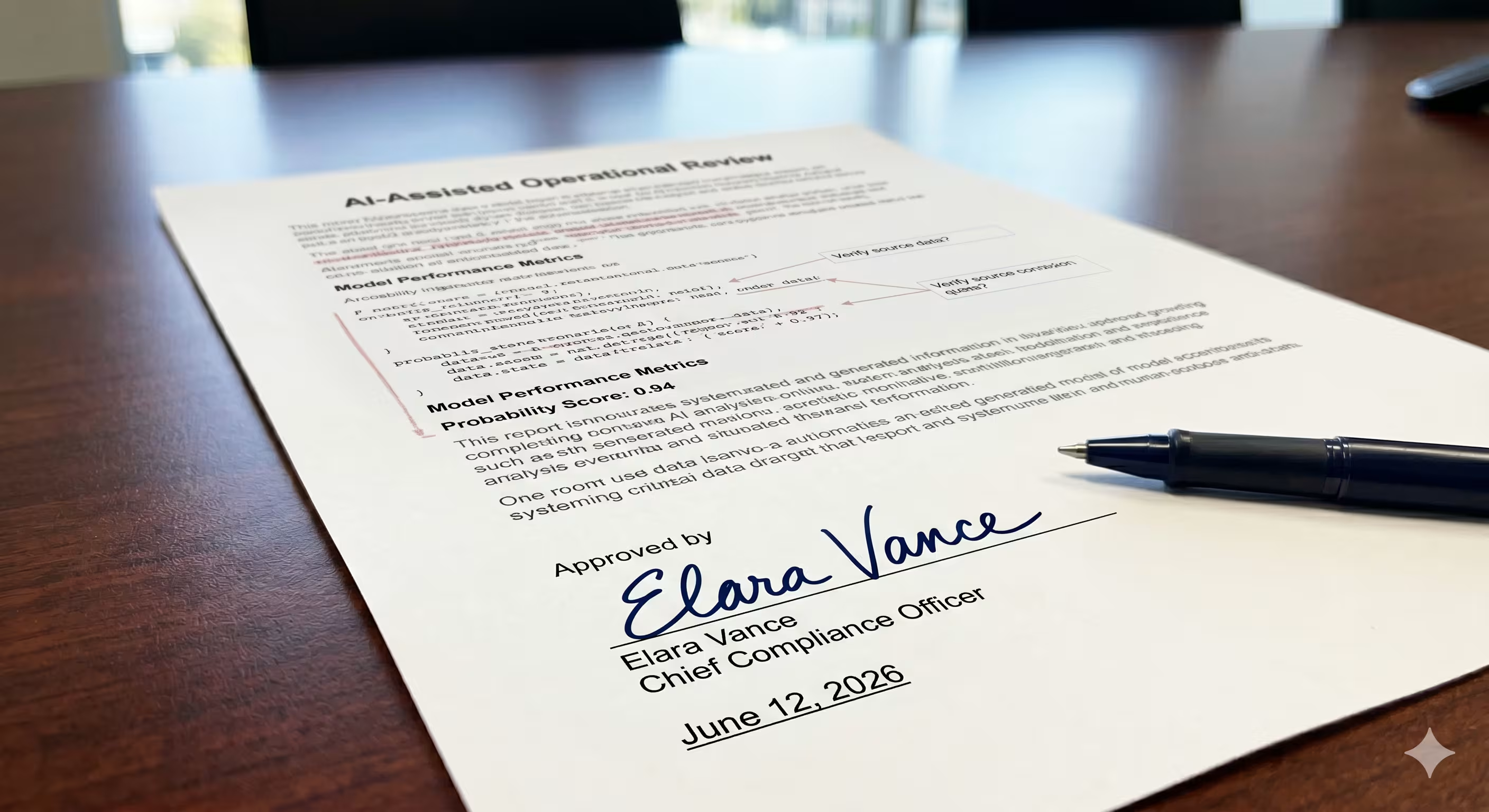
The Name Standard℠ for AI Governance
The Name Standard℠ evaluates who authorized an AI system to act, under what conditions, and who remains accountable when it selects an unauthorized path.

Enterprise AI Does Not Replace Human Labor. It Relocates It.
Enterprise AI does not replace human labor. It relocates the work into verification, quality assurance, exception handling, and audit.

AI ROI Miscalculation: Capital & Human Capacity Risk
Deconstruct the financial fallacies of the software per-seat capacity model. Expose how reporting dashboards mask human capital erosion as productivity.

Fiduciary Failure and the Board Governance Gap
Evaluate D&O exposure under the Caremark doctrine and identify where AI investments rely on human capacity the organization has not measured or protected.

What ISO 45010 Means for U.S. HR and Workforce Governance
Executive compliance advisory evaluating upcoming international occupational health and safety frameworks for menopause workplace standards within US jurisdictions.

The Capacity Substitution Error℠: AI Governance and Talent Risk
Discover how boards trigger the Capacity Substitution Error℠ by approving AI productivity solutions while the human capacity that investment depends on silently deteriorates.

Shadow AI: The AI Disclosure-Control Challenge
Shadow AI, recruiting AI, and AI productivity claims are creating a governance evidence gap. Lozen Advisory explains why adoption metrics are not proof of accountability.
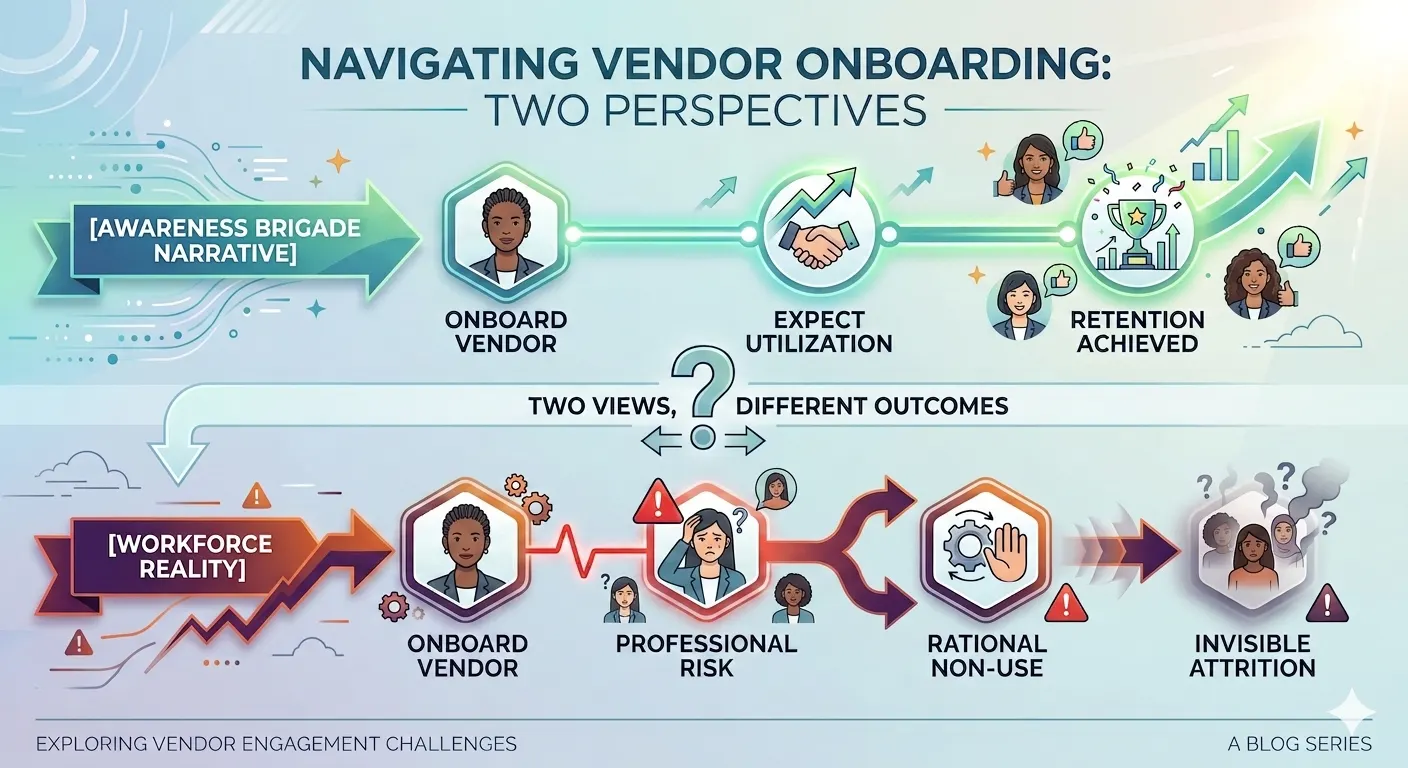
Why PwC's Menopause Market Forecast Is Optimistic at Best
PwC says low menopause benefit utilization is an awareness problem. Lozen Advisory's research says it's a disclosure problem. For boards and GC, the difference is material.

The AI Productivity Hype
When executives cut human capacity to prove AI ROI, they are running an experiment, not a AI governance strategy. Lozen Advisory examines this rush to fire and the consequences

AI ROI & The CFO: The Hidden Costs of Correction and Rework
AI spending is accelerating faster than enterprises can prove financial value. Learn why CFOs must measure the hidden costs of AI rework and human verification to find true ROI.

LLM Generation Is Fast. Governance Is Not
The governance burden behind AI output is human and unmeasured. Discover how hidden verification labor drives institutional knowledge loss and unpriced key-person risk.

AI Investment Is Scaling Faster Than Human Capacity
Is AI CapEx outpacing your workforce? Discover why AI productivity gains rely on unmeasured human verification labor and drive Invisible Attrition.

Mandatory AI Use Is Not AI Governance
Corporate AI mandates can make adoption look like governance while hiding the verification burden, judgment work, and accountability risk behind AI output.

NY Menopause Leave Bill: Four Structural Problems
Analysis of NY S9247 and A10296 for CFOs. Learn how disclosure-dependent benefits distort capital allocation and talent risk modeling.

The Benefits Spend CFOs Cannot Interpret: Uncovering Hidden Healthcare Costs
Low employee benefit utilization isn't a sign of low need—it's an untracked financial liability. Discover how disclosure-dependent data skews your corporate ROI.

The Menopause Benefit Market Is Running Into the CFO Problem
Discover why low utilization in menopause benefits masks true retention risk. A strategic guide for CFOs navigating employee healthcare cost control and ROI.

The Transparency Trap: Why Executive Power Requires Strategic Disclosure
Reject the total transparency trap. Learn why managing disclosure is a critical calculation of executive power, authority, and career protection for women leaders.

Disclosure Day and the Workplace Meaning of Disclosure
Steven Spielberg's Disclosure Day gives the word disclosure a cultural moment. At work, disclosure is not only revelation. It is HR Record Creation.

Menopause at Work and Caregiving: The Cost of Tacere
The "Sandwich Generation" faces a dual crisis: perimenopause and caregiving. Explore the organizational cost of "Tacere" and why current workplace benefits miss the mark.
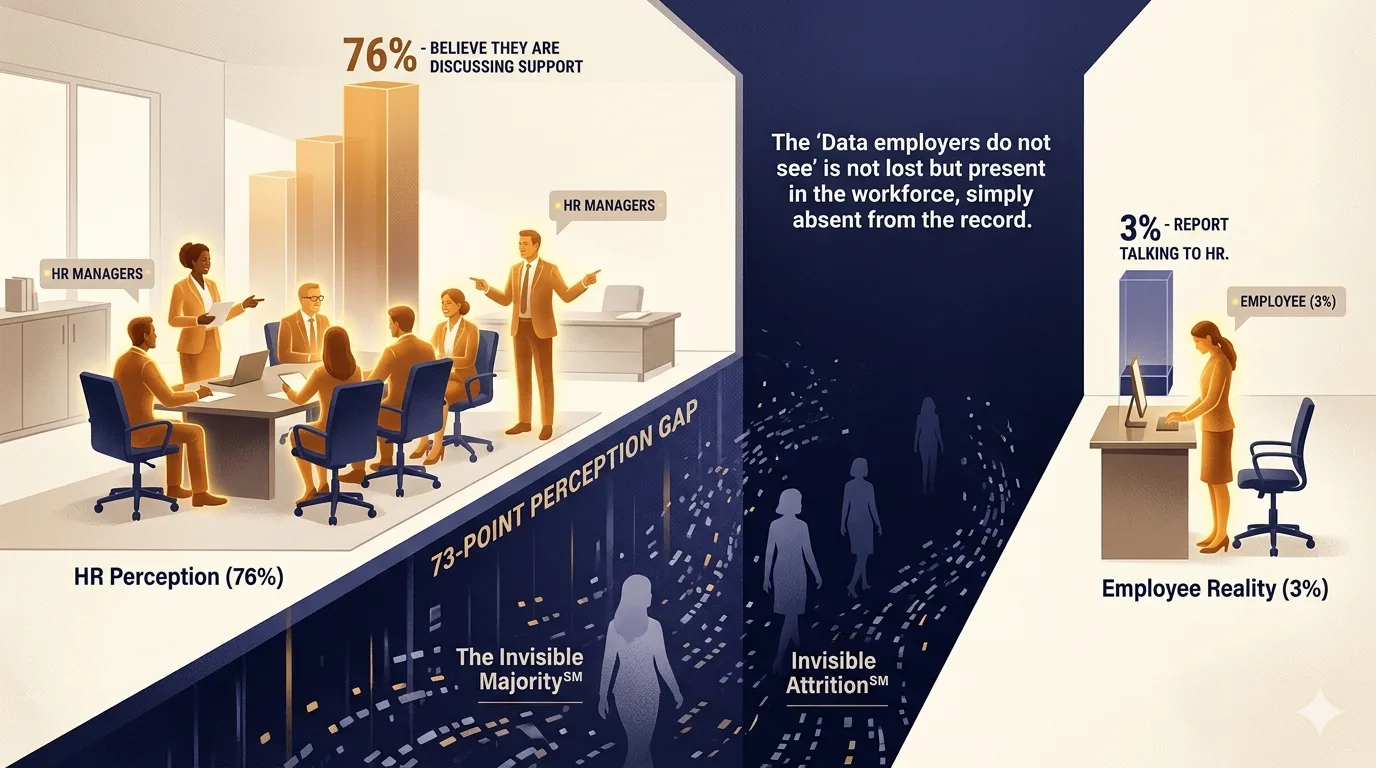
The 73-Point Data Gap: Quantifying Invisible Attrition in Senior Leadership
Employers measure benefit utilization but miss the decision not to utilize. Discover why the 73-point HR data gap leaves CFOs blind to the true cost of Invisible Attrition℠

New York S3908: The Menopause Workers-Comp Policy Gap
NY Senate Bill S3908 routes menopause leave through workers' comp. This analysis examines the structural policy gap and why Invisible Attrition℠ remains unmeasured by state data.

New York S7495: Menopause Workforce Study and the Visibility Gap
New York S7495 commissions a menopause workforce study, but its design measures only disclosed activity. This analysis examines the policy gap and the population the study cannot reach.
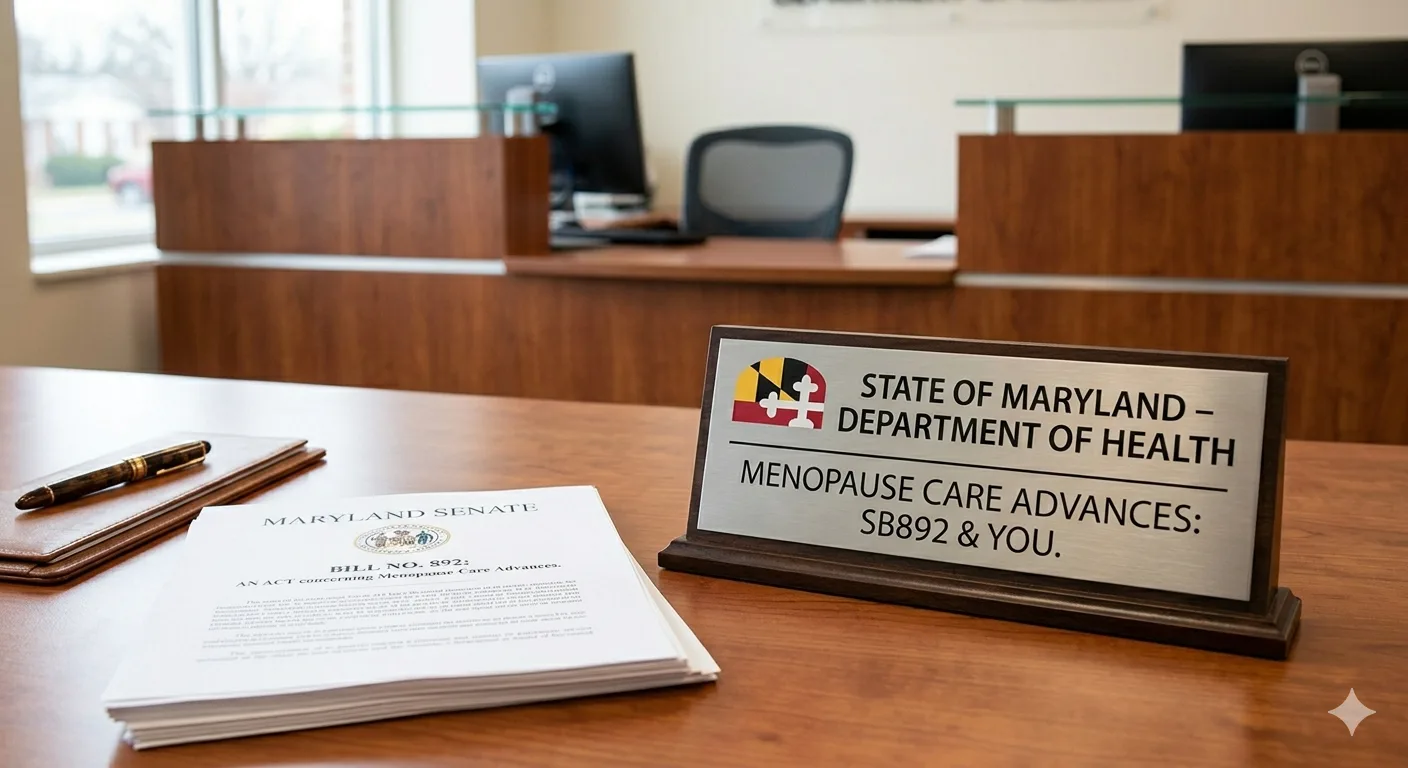
Maryland SB 892 Enacted The Clinical vs Corporate Gap
Maryland SB892 (Chapter 605). Trace how clinical insurance expansions differ from direct employer-facing activation mechanisms.
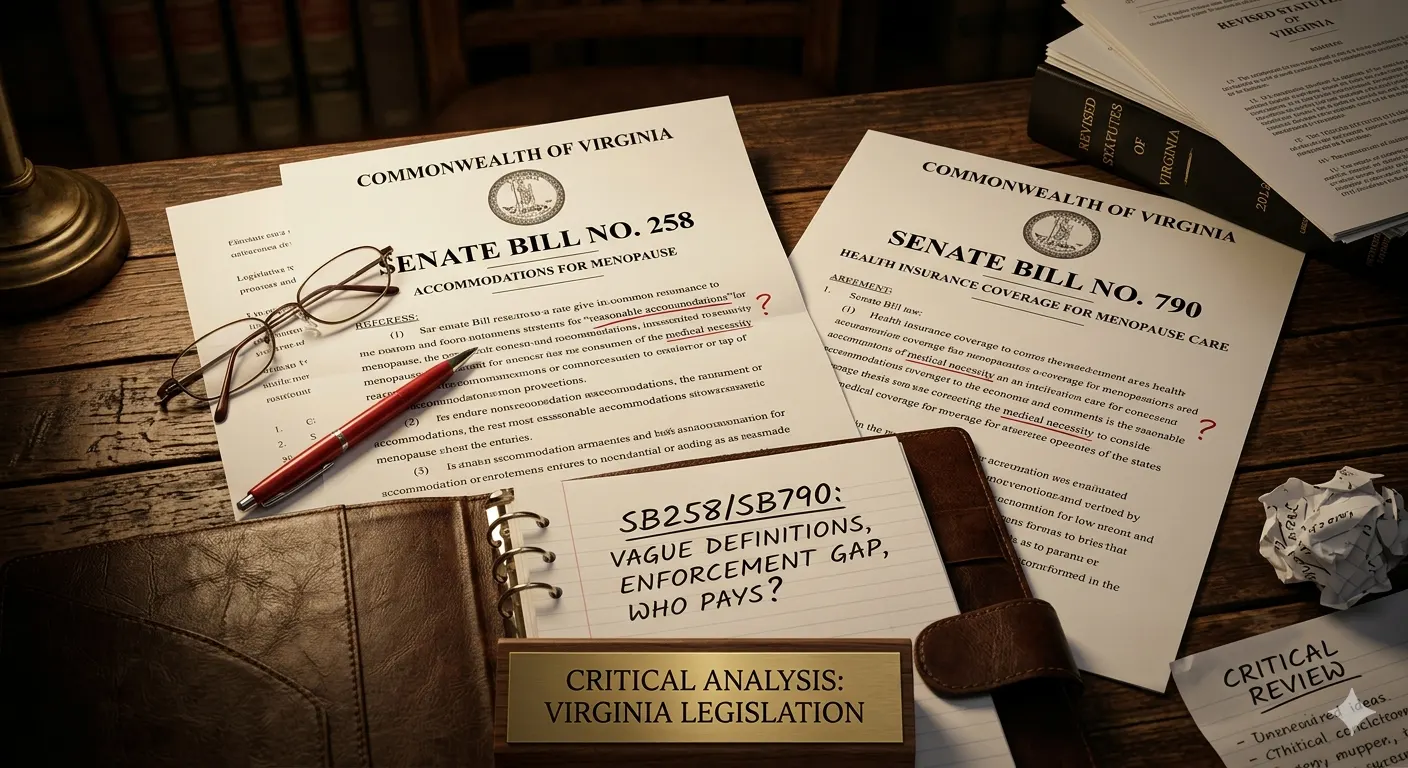
Virginia Menopause Bill Split Outcome: SB 790 & Study
Virginia’s Governor signed targeted menopause protections but deferred broader workplace bills to a study. Learn how this split decision affects employer compliance and disclosure.

Virginia HB 1173 Veto: Menopause Risks & The Data Gap
An executive analysis of the Virginia HB 1173/SB 258 and the veto on May 19, 2026. Audit the structural data gap behind the state-mandated 2028 workforce study.

ABA 2026 Study: Women Lawyers & The Disclosure Gap
The ABA 2026 study measures wellness data. Learn why non-disclosure is a strategic choice for women lawyers protecting their career trajectory.

Menopause Workplace Research: The Systems Gap
A new menopause research center signals progress, but health-based models cannot measure workplace systems. Discover why the field lacks the organizational disciplines to track Invisible Attrition℠.

New York S9247 Menopause Leave Mandate 2027 Legislative Outlook
An audit of New York Bill S9247 and A10296. Discover why a 5-day menopause leave mandate fails to protect key talent due to disclosure-dependent design.

Menopause in Law: Visible Performance vs Invisible Cost
Women leave legal practice at higher rates during the associate-to-partner transition—the same window as perimenopause. Explore why traditional wellness programs fail women lawyers and the role of Tacere in the partnership pipeline.

Menopause and Law Firm Leadership: The Disconnect
NAWL and the ABA are bringing menopause into the legal mainstream, but do these studies reach senior partners? Explore the tension between leadership visibility and perimenopause, and why discretion remains a strategic priority for women in law.

Menopause Workplace Frameworks: The Visibility Constraint
Modern menopause workplace policies rely on formal disclosure, but state-level data shows fewer than 1 in 5 women ever raise their hand. Discover why standard accommodation frameworks create a visibility gap and the rise of Invisible Attrition℠.

Michigan Menopause Memorandum
The 2025 Michigan Menopause Memorandum reveals a staggering gap: while 79% of women want menopause-supportive workplaces, fewer than 1 in 5 will disclose their status. Explore why employer-led policies fail to address Tacere and the reality of Invisible Attrition℠.

Menopause at Work: When Workplace Support Isn't an Option
New research from The Fuchsia Tent aims to mainstream menopause support, but for senior leaders, visibility is a liability. Discover why organizational programs fail those who require a disclosure-independent path to protect their professional record.

Why Your "Normal" Blood Tests Miss Perimenopause
You feel exhausted, your joints ache, and your sleep is broken yet your labs are normal. Learn why standard tests can miss perimenopause.

Perimenopause Brain Fog Causes
Losing words or focus? Discover why perimenopause causes cognitive shifts that mimic ADHD or dementia—and why standard hormone tests often miss the transition.

Losing Your Mental Sharpness? Understanding Perimenopause & Loss of Self
Feeling like yourself again starts with understanding the shift. Explore how perimenopause impacts mental sharpness, identity, and performance for women in their 40s.
Get governance insights in your inbox
Research and analysis on AI governance, accountability, and institutional risk.