
Health benefit costs are rising and CFO dashboards show low utilization. Low utilization may not mean low need. It may mean the highest-risk employees never entered the measurable system. Lozen Advisory examines the gap between benefit availability and workforce risk that recorded data cannot show..
Health benefit costs are a finance department problem now. Not an HR problem. Not a vendor performance problem. With employer healthcare line-items surging by 6.7% according to the Mercer CFO Perspective on Health, health inflation is officially outpacing general economic inflation. Today, a third of finance leaders view health benefits as a top-three enterprise operating expense, yet only 1 in 4 CFOs report that their organizations can absorb these hikes without directly impacting operations.
When developing healthcare cost containment strategies to mitigate these spikes, the CFO is being asked to defend spend, protect margins, and demonstrate that workforce investment is producing measurable value.
Why Employee Benefits Dashboards Fail Corporate Healthcare Cost Containment Strategies
The dashboards say utilization is low. That reading may be wrong.
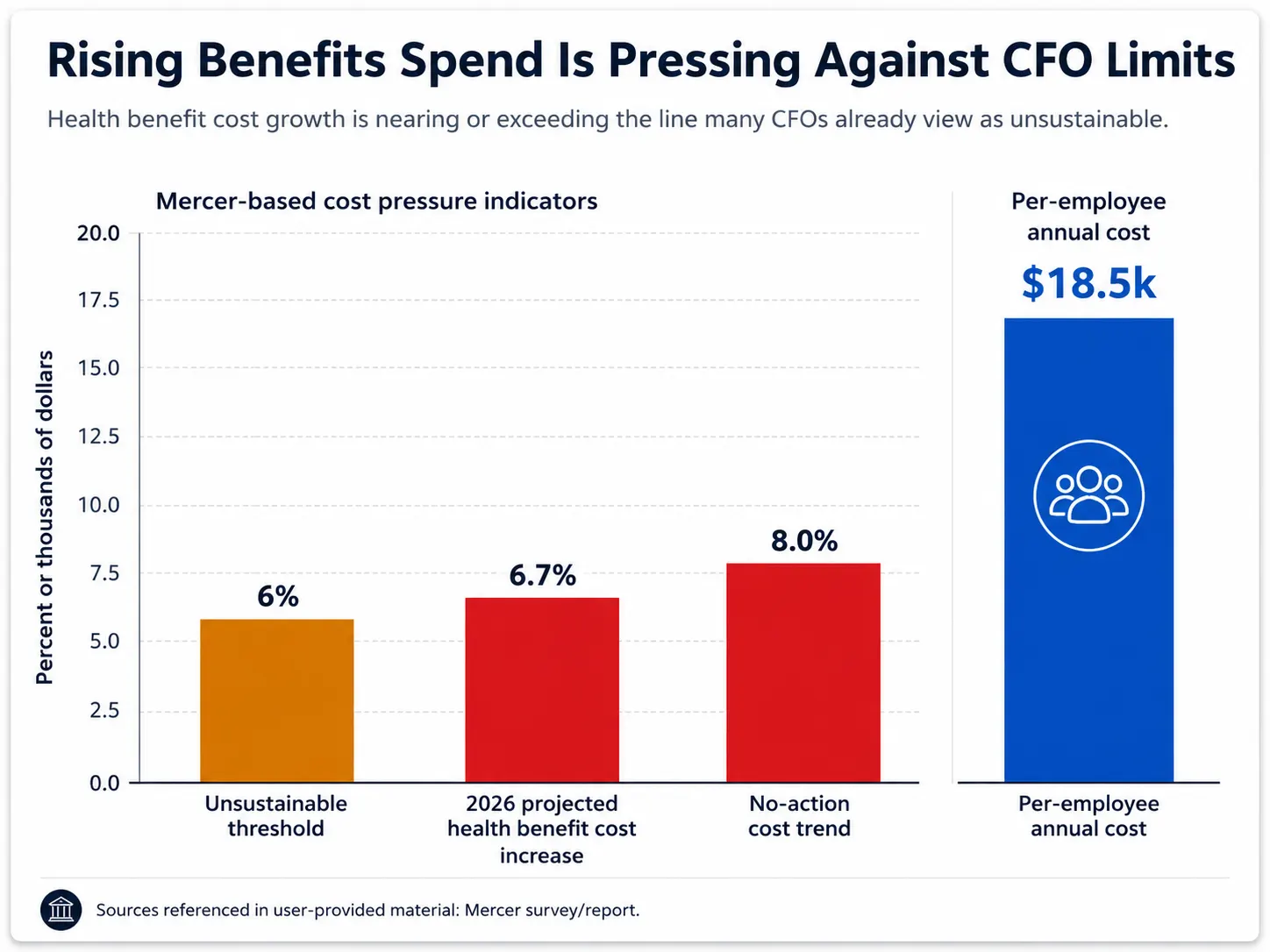
Figure 1: The widening gap between escalating healthcare line-item allocations and visible system engagement.
Utilization data only begins after an employee creates a record. A benefit can be contracted, available, and active, yet the organization still cannot see the population that never activated it, never filed the claim, never completed the disclosure of the condition, and never entered the system before performance or retention risk changed.
Low utilization is not a clean signal. In disclosure-dependent benefit categories, it may mean the target population never became measurable. The spend is real. The exposure is real. The dashboard shows neither, creating untracked financial risk for the enterprise.
The Financial Risk of Low Utilization and Invisible Attrition
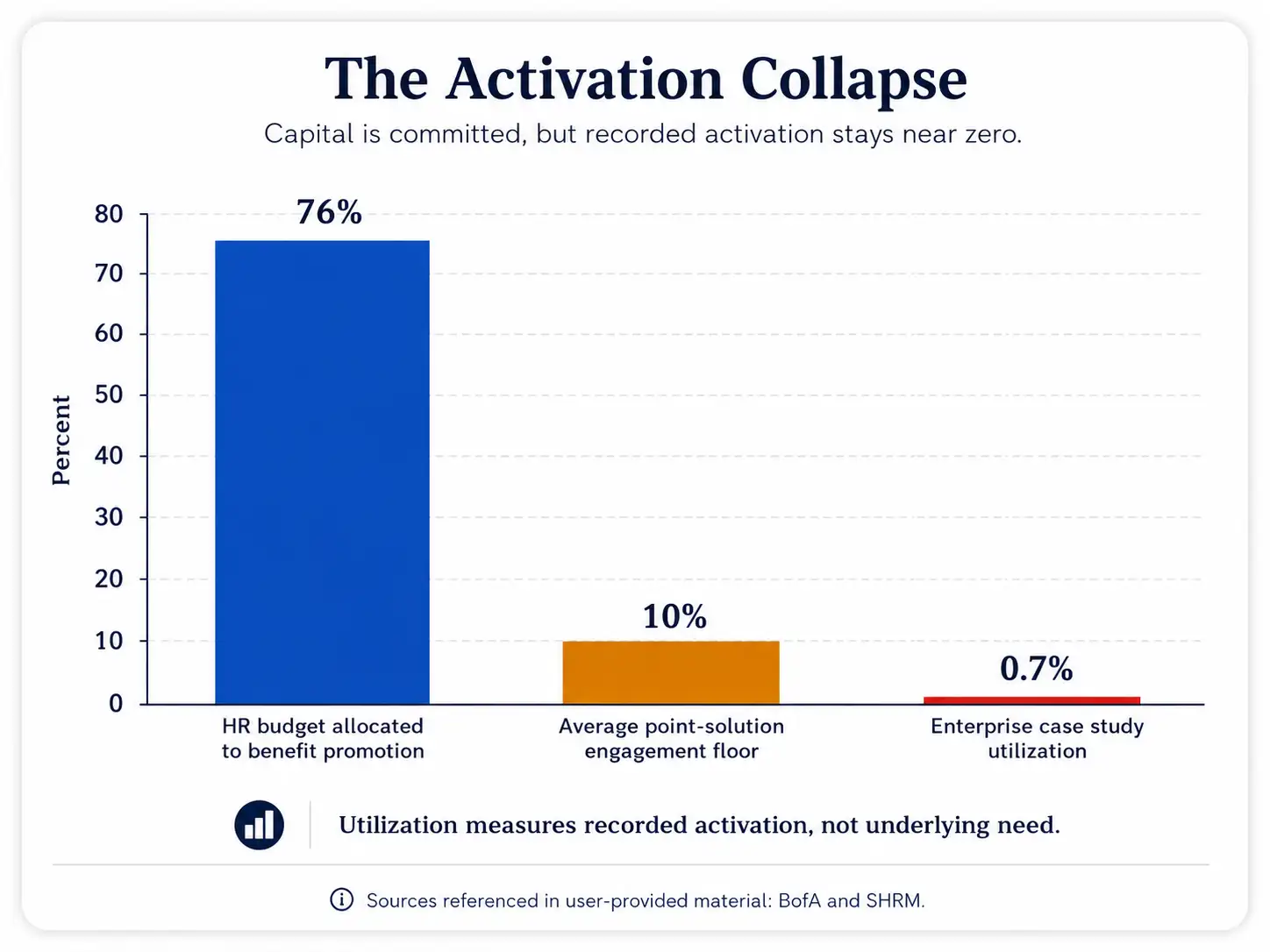
Figure 2: Benefit system drop-out velocity mapped across mission-critical corporate infrastructure.
The employees least likely to create a utilization record are often the ones the organization can least afford to lose: women in senior leadership, high-performing managers, client-facing professionals, and executives whose perceived reliability is part of what the company depends on.
They manage privately. They adjust without disclosing. They exit before the risk is recorded. By the time attrition data reflects the loss, the signal has been gone for months, transforming an unmeasured health benefit gap into a severe hidden workforce liability. This structural blind spot triggers a cycle of Invisible Attrition℠ that degrades internal capabilities before leadership realizes a risk exists.
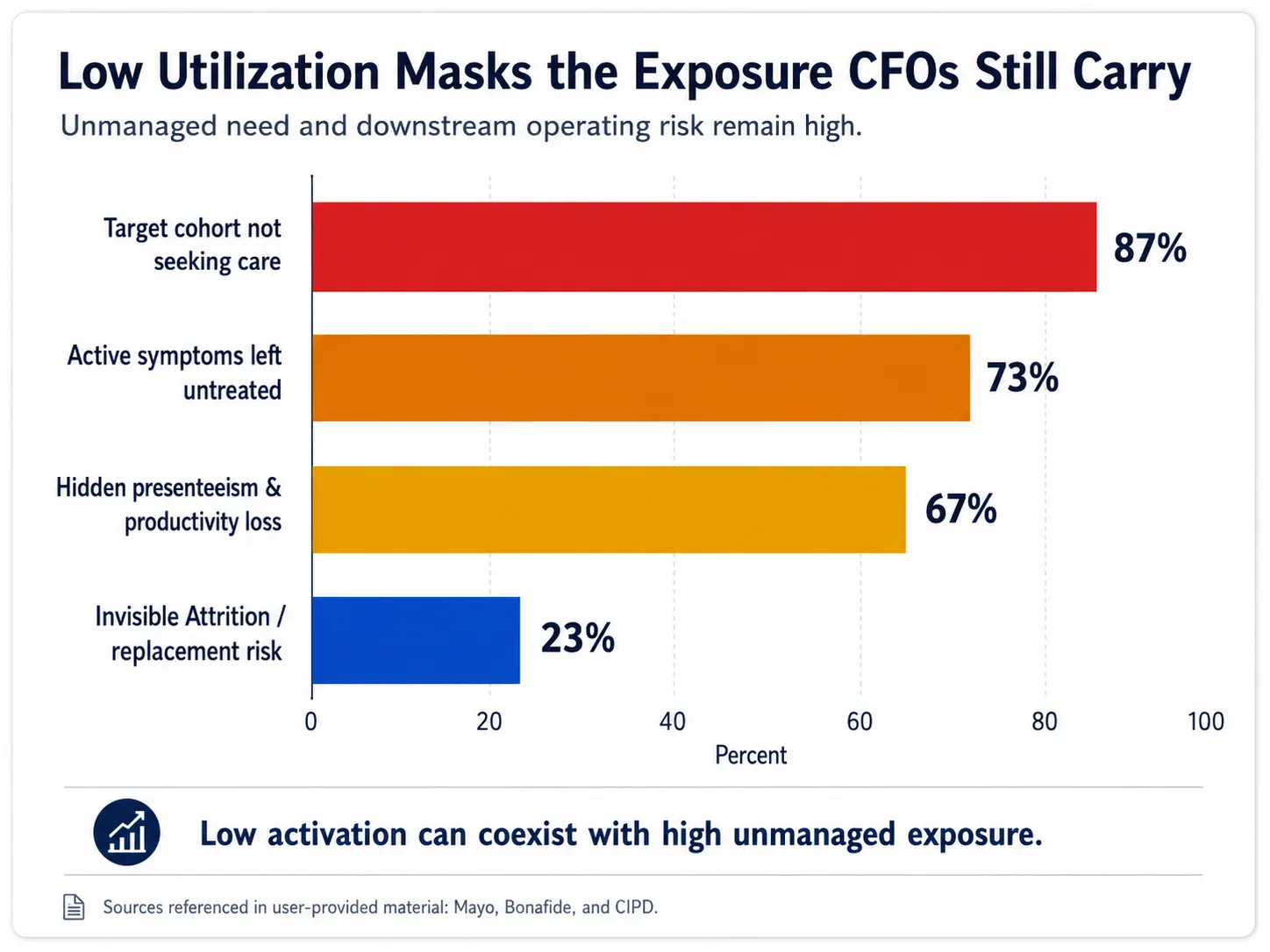
Figure 3: Analytical model demonstrating how disclosure-dependent data infrastructures create blind spots in financial exposure calculations.
How Lozen Advisory Quantifies Unmeasured Workforce Risk
The question is not what you are spending. The question is what your measurement system cannot show you because it only records employees who were willing to become visible.
That is the gap Lozen Advisory is built to examine.
We work with finance, people, and workforce analytics leaders to identify where employee benefits ROI depends on data that was never created. We help decision-makers distinguish between low need and unmeasured need, between benefit availability and benefit reach, and between recorded utilization and actual workforce risk.
If utilization requires disclosure, the dashboard is incomplete by design.